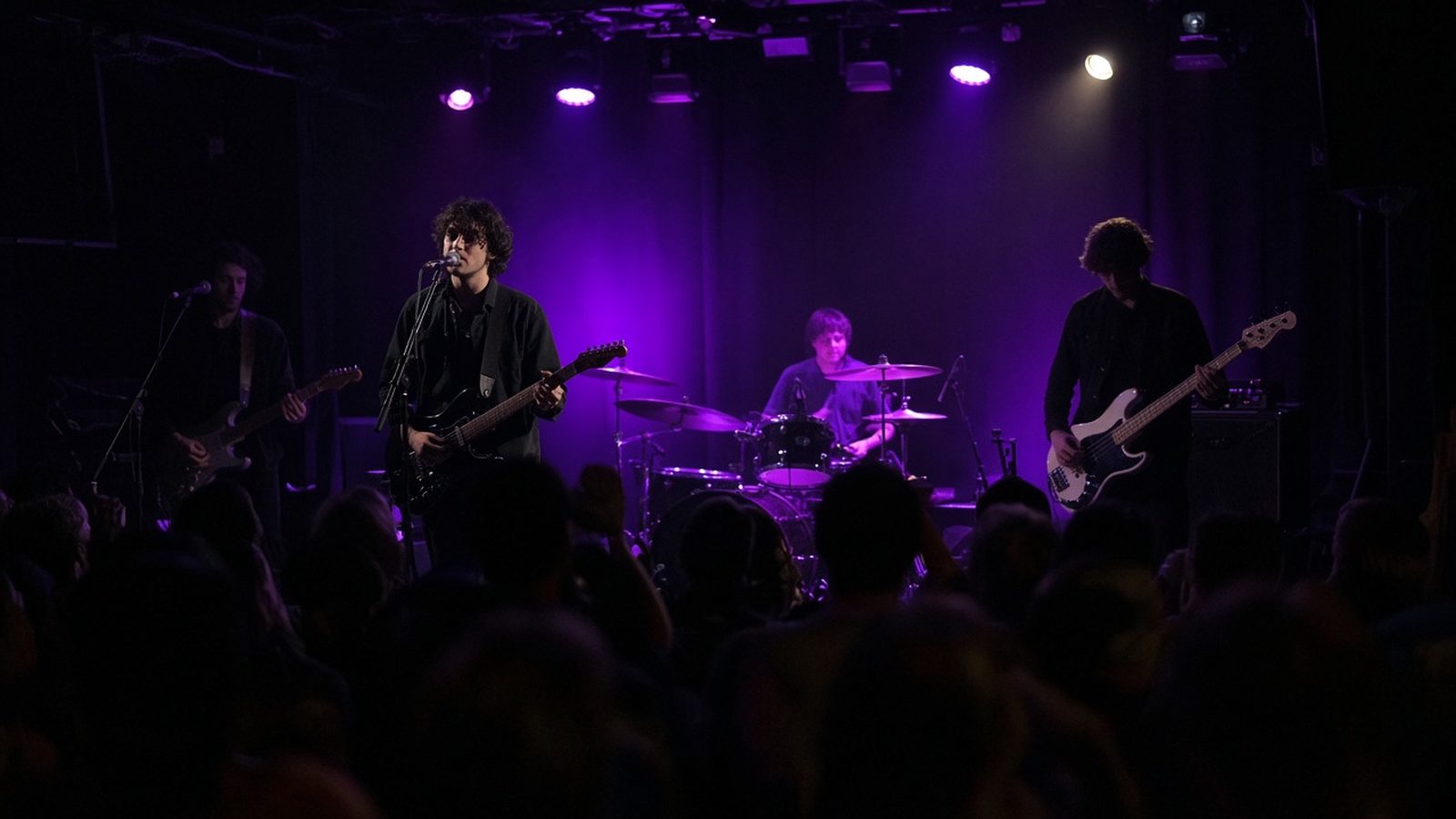

Playing to a half-empty room is disheartening, whether you're a band, a solo artist or a promoter. The good news is that getting more people through the door is mostly about planning and persistence, not luck. Here's a practical guide to filling your next gig.
Pick the right room and date
It's much better to play a small venue that's packed than a big one that echoes. Choose a room that matches the audience you can realistically bring, and step up as your crowd grows. When you pick a date, check what else is on locally: a big gig, a football match or a festival the same night can pull your audience away. Paydays, school holidays and bank holiday weekends can all make a difference too, so think about your crowd.
Give yourself enough time
Announcing a gig a week before rarely works. People need time to see it, mention it to friends and make plans. Aim to announce at least four to six weeks ahead for a local show, and longer for anything bigger. That gives you time for several waves of promotion rather than one post.
Get tickets on sale from day one
When you announce a gig, the ticket link should be ready. Interest is highest at the moment of the announcement; if people have to wait to buy, many will forget. Advance tickets also show you how sales are going while there's still time to do something about it.
You can list your gig on TickTap for free and keep 100% of the ticket price. Buyers pay a small booking fee, shown before they pay, and get a QR ticket on their phone straight away without needing an account. A simple checkout matters: every extra step loses buyers. See our guide on selling tickets online.
Make the poster work hard
Your poster or artwork will be seen far more often than your event page. Make sure it has:
- The act names, clear and readable.
- The date, venue and town.
- The price, or "tickets from".
- A QR code to the ticket page on printed versions.
Check it still works as a small square on a phone screen, as that's where most people will see it.
Use every act on the bill
If there's a support act, they have their own fans, friends and family. Ask every act on the bill to promote the gig, and make it easy for them by sending the ticket link, the poster in square and story sizes, and a short caption. Some promoters give each act a target, or a share of the tickets they sell, as an incentive. If you do, agree it clearly in advance.
Post more than once, and give people reasons to care
One announcement post isn't enough. Plan several posts across the weeks before the show, each with something new:
- The announcement, with the poster and ticket link.
- A short clip of the band rehearsing or playing a previous show.
- Introducing the support act.
- Something personal: why this gig matters, a new song you'll play for the first time.
- A reminder that early-bird tickets are ending, if that's true.
- A "this week" and a "tonight" post.
Short vertical videos tend to work well on Instagram, TikTok and Facebook. See how to promote an event on Facebook for more on events and groups.
Talk to people directly
Social posts reach lots of people a little. Direct messages reach a few people a lot. Personally messaging friends, past attendees and people who've shown interest is one of the most effective ways to sell tickets for a small gig. A friendly "we're playing on the 14th, would be great to see you, here's the link" goes a long way. Ask people to bring a friend.
Build a mailing list
Social media reach goes up and down, but an email list belongs to you. Collect email addresses at gigs and online (with clear consent), and email your list when tickets go on sale. Even a small list of people who really like your music can make a big difference to every show.
Work with the venue and local media
- Ask the venue to list the gig on its website and social media, and put up posters.
- Send a short announcement to local listings sites, student media and community radio.
- Get posters into record shops, cafés, rehearsal studios and bars.
Price it sensibly
For a local or developing act, a fair, simple price makes it easier for people to say yes. Consider an early-bird price to encourage people to commit early. Our guide on how to price event tickets covers working out costs and break-even.
Make the night worth coming back for
The best long-term promotion is a great show. Start on time, keep changeovers short, look after the crowd, and thank people from the stage. Mention your next gig and your mailing list before the end of your set. Afterwards, post photos and tag the venue and other acts. Every good night makes the next one easier to sell.
Gig promotion checklist
- Right-sized room and a date without big clashes
- Announced four to six weeks ahead
- Tickets on sale from the announcement
- Poster with names, date, venue, price and QR code
- Every act sent the link and artwork
- Several posts planned, with clips
- Direct messages and an email to your list
Frequently asked questions
How far in advance should I announce a gig?
At least four to six weeks for a local show, and longer for anything bigger, so you have time for several waves of promotion.
What's the best way to sell tickets for a small gig?
Have tickets on sale from the moment you announce, ask every act on the bill to share the link, and message friends and past attendees directly.
Should support acts help sell tickets?
It helps a lot, as they bring their own fans. Send them the link and artwork, and agree any incentive clearly in advance.
Does a mailing list really help?
Yes. Social media reach varies, but an email list of people who like your music lets you tell them directly when tickets go on sale. Always collect addresses with clear consent.